



Edublog - Exploring March Break
Updated: May 3


Exploring March Break

What Is March Break?

March Break is a one‑week holiday for students that happens every year in March. Schools across Canada give students this short break so they can rest, spend time with family, or enjoy activities before the final months of the school year. Although the date changes each year slightly, March Break usually happens in the second or third week of March.
How The Date For March Break Is Determined
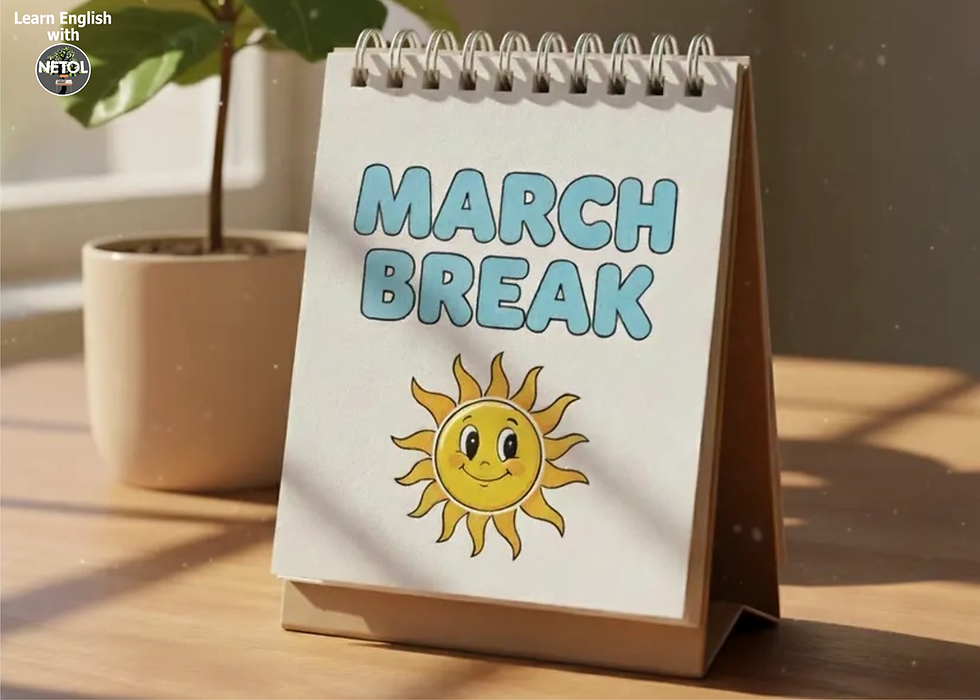
In Canada, each province sets its own March Break schedule. School boards look at the school calendar and choose a week in March that fits well between holidays and exam periods. In many provinces, the date stays close to the same time every year, so families can plan vacations and activities in advance.
The Origins Of March Break

March Break has interesting origins. It began in the early 20th century when schools noticed that students needed rest during the long winter term. Later, universities in the United States added a spring holiday to support student well‑being and athletic training trips. Over time, this idea spread to Canada and other countries, and it became the annual March Break we know today.
March Break Around The World

Many countries have a version of March or Spring Break. Canada, the United States, Japan, South Korea, and some European countries give students a break during early spring. In warmer places like Mexico or Spain, Spring Break often includes outdoor festivals and local traditions.
Different Names for March Break

March Break is known by several names depending on where you live. In many places in Canada, people call it March Break, but some regions use Spring Break or Winter Break. Also, some Canadian provinces call it Reading Week for college and university students. In the United States, the term Spring Break is more common. Even though these names are different, they all describe the same idea: a short break from school for students and teachers to relax and recharge.
March Break & the Start of The Spring Season

March Break is exciting because it almost always lines up with the beginning of the spring season. Days are longer, the sun feels warmer, and snow starts to melt in many parts of Canada. This makes it a perfect time for families to enjoy outdoor activities again after a long winter.
Top 20 Fun March Break Activities

Going skiing or snowboarding
Description: This activity involves travelling to a ski hill to enjoy winter sports on the snow. People slide down the hill using skis or a snowboard.
Real‑life example: You spend a day at Blue Mountain, skiing with friends and enjoying the fresh winter air.
Visiting family and friends
Description: Many people use March Break to reconnect with loved ones, especially if they live far away.
Real‑life example: You drive to another city to have dinner with your cousins and catch up on life.
Taking a trip to a warm destination
Description: Some families travel to places with sunny weather to escape the cold.
Real‑life example: You fly to Mexico for a week and relax on the beach under the sun.
Exploring a museum
Description: People visit museums to learn about history, art, or science through interactive displays.
Real‑life example: You spend the afternoon at the Ontario Science Centre and try hands‑on experiments.
Going to the movies
Description: Watching a movie in a cinema is a relaxing way to spend time during March Break.
Real‑life example: You meet a friend to watch a new action film at the theatre and share popcorn.
Relaxing at home
Description: Some people enjoy a quiet break by resting, sleeping in, or taking time for themselves.
Real‑life example: You stay home with a warm blanket, enjoy tea, and take a long afternoon nap.
Reading new books
Description: March Break is a good time to start a new story or learn something new through reading.
Real‑life example: You borrow a mystery novel from the library and read a few chapters each night.
Trying a new hobby
Description: People often use the extra free time to explore a skill or activity they have never tried before.
Real‑life example: You attend a beginner’s pottery class and learn how to shape clay on a wheel.
Playing sports
Description: March Break is a chance to stay active by playing team or individual sports.
Real‑life example: You join a local pick‑up basketball game at your community centre.
Going ice skating
Description: Many indoor and outdoor rinks are open in March, making skating a popular activity.
Real‑life example: You skate at your city’s outdoor rink and practise keeping your balance.
Visiting an indoor playground
Description: Indoor playgrounds offer slides, climbing structures, and soft play areas, especially for children.
Real‑life example: You take your child to an indoor play centre where they climb, jump, and explore safely.
Baking treats at home
Description: People enjoy making cookies, cakes, or other baked snacks during March Break.
Real‑life example: You bake chocolate chip cookies with your niece and enjoy them warm from the oven.
Visiting a butterfly conservatory
Description: People can observe butterflies up close, learn about their life cycle, and enjoy a peaceful, spring‑like environment.
Real‑life example: You walk through a butterfly conservatory and take photos of colourful butterflies landing on flowers while enjoying the warm, tropical air.
Going on a nature walk
Description: Walking outside helps people relax and enjoy the early signs of spring.
Real‑life example: You take a walk in a nearby park and notice the snow melting and birds returning.
Visiting a library for special events
Description: Libraries often run free March Break programs such as story time, craft days, or workshops.
Real‑life example: You attend a library event where a guest speaker teaches simple drawing techniques.
Going shopping
Description: Some people take advantage of sales or enjoy browsing stores during their time off.
Real‑life example: You visit a mall to buy spring clothing and enjoy a coffee while you shop.
Doing arts and crafts
Description: Arts and crafts allow people to be creative using paper, paint, glue, and other materials.
Real‑life example: You make a handmade card using stamps and markers for a friend’s birthday.
Visiting an indoor arcade hall
Description: Arcade halls offer games, rides,, and entertainment for all ages.
Real‑life example: You spend a fun day at an indoor arcade hall playing air hockey and winning small prizes.
Spending time outdoors
Description: As temperatures rise, people enjoy being outside more.
Real‑life example: You sit on a park bench in the sunshine and enjoy the first warm breeze of spring.
Joining a March Break camp
Description: Camps offer organized activities for kids while parents work. They include sports, crafts, or science programs.
Real‑life example: Your child joins a March Break camp where they spend the week playing games, doing crafts, and making new friends.
What Are March Break Camps for Kids?

March Break camps are special programs for children during the March Break holiday from school. These camps usually last for one week. They give kids a fun and safe place to go while schools are closed. At camp, children join different activities such as sports, crafts, games, science projects, or outdoor play. Many camps also have themes, like art, animals, cooking, or technology.
Why Do Parents Sign Their Kids Up For Camps?

Parents choose March Break camps for three main reasons:
Reason #1
Parents Have to Work
Many adults still go to work during March Break. Camps give children a safe and supervised place to spend the day.
Reason #2
To Keep Kids Active
Camps help children move, learn, and stay busy instead of sitting at home. Kids get exercise and stay healthy.
Reason #3
To Reduce Screen Time
Many parents want their children to take a break from phones, tablets, and video games. Camps give kids fun things to do without electronics.
Top 10 March Break Camps That Kids Can Join

March Break Camp #1
Sports Camp

Explanation: Kids play soccer, basketball, volleyball, hockey, swimming, or other sports. These camps help kids stay healthy and active.
March Break Camp #2
Art Camp

Explanation: Children learn painting, drawing, crafts, and other creative activities. It is great for kids who enjoy making things.
March Break Camp #3
Science Camp

Explanation: Kids do simple experiments and learn about nature, space, or technology. These camps are fun for curious minds.
March Break Camp #4
Outdoor Adventure Camp

Explanation: Children enjoy hiking, outdoor games, and nature activities. These camps help kids get some fresh air after winter.
March Break Camp #5
Music Camp

Explanation: Kids learn songs, instruments, and rhythm. Music camps help build confidence and creativity.
March Break Camp #6
Dance Camp

Explanation: Children practise dance styles like hip-hop, jazz, or ballet. It helps them move, exercise, and express themselves.
March Break Camp #7
Coding or Robotics Camp

Explanation: Kids learn beginner coding, build robots, or play learning games. It is a fun way to introduce technology.
March Break Camp #8
Cooking or Baking Camp

Explanation: Children learn easy recipes and kitchen safety. They enjoy eating what they make.
March Break Camp #9
Drama or Theatre Camp

Explanation: Children act in plays, practise speaking, and build confidence on stage.
March Break Camp #10
Animals or Insects Camp

Explanation: Kids learn about animals, insects, plants, and the environment. Some camps even have small animals to meet.
Concluding Thoughts
Overall, March Break is a special time of year that gives students and families a chance to rest, explore, and enjoy the start of spring. Whether people call it March Break or Spring Break, the purpose is the same: to relax, recharge, and take a refreshing pause before the busy months ahead. With fun activities, interesting traditions, and a long history, March Break remains one of the most enjoyable weeks of the school year.

Click below for a lesson & activities on this topic:


Written by: Nicole WT
Copyright © Learn English with NETOL. All rights reserved.


Comments