


Edublog - Earth Day: Understanding, Protecting, and Celebrating Our Amazing Planet
Updated: May 14


Earth Day: Understanding, Protecting, and Celebrating Our Amazing Planet

What Is Earth Day?
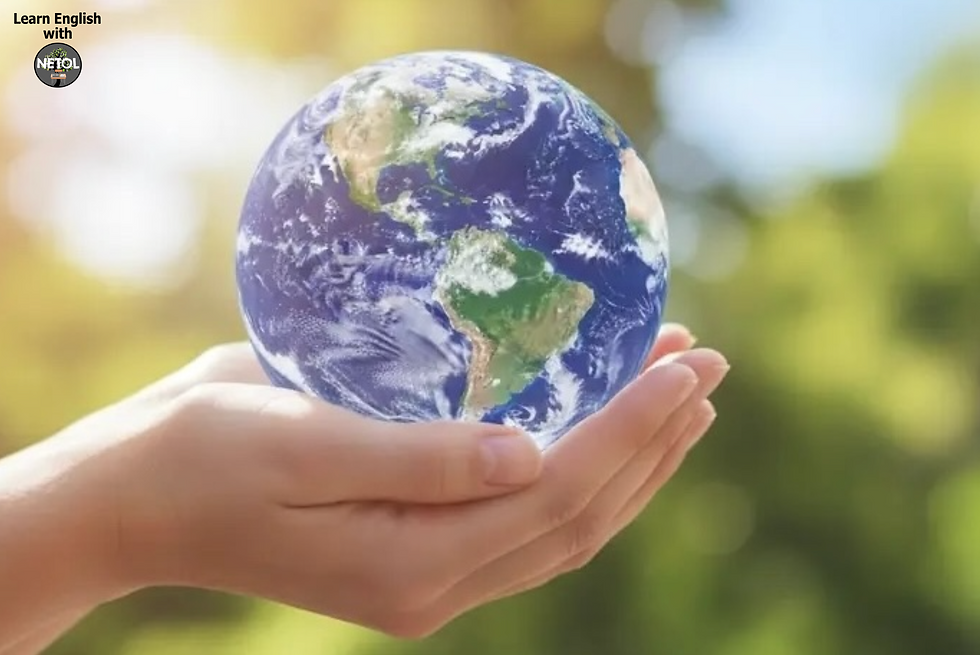
Earth Day is a powerful reminder that the Earth is not just the place where we live, but a living system that supports all life. From the air we breathe to the water we drink, everything comes from nature. Earth Day encourages people to think carefully about how their choices affect the planet and what they can do to protect it.
When Does Earth Day Take Place?

Earth Day is celebrated every year on April 22. This date was chosen because it falls in spring, a season of new beginnings and growth. During spring, trees grow leaves, flowers bloom, and animals become more active. April 22 reminds people that the Earth is alive and needs care, respect, and protection not just on one day, but every day of the year.
The Importance Of Earth Day

Earth Day is important because it helps people understand how human actions affect the planet. Problems like pollution and climate change often happen slowly, so they can be easy to ignore. Earth Day raises awareness and encourages people to change their habits before serious damage happens. When people learn more, they are more likely to protect nature for future generations.
How Did Earth Day Originate?

Earth Day began in 1970 in the United States. It was started by Senator Gaylord Nelson, who wanted people to learn about environmental problems like pollution and dirty water. The first Earth Day was held on April 22, 1970, and about 20 million people took part. Over time, Earth Day grew bigger. By 1990, it had become a global event. Today, Earth Day involves governments, organizations, and schools, and it focuses on many issues such as climate change, recycling, and protecting nature.
A Worldwide Commitment to the Earth
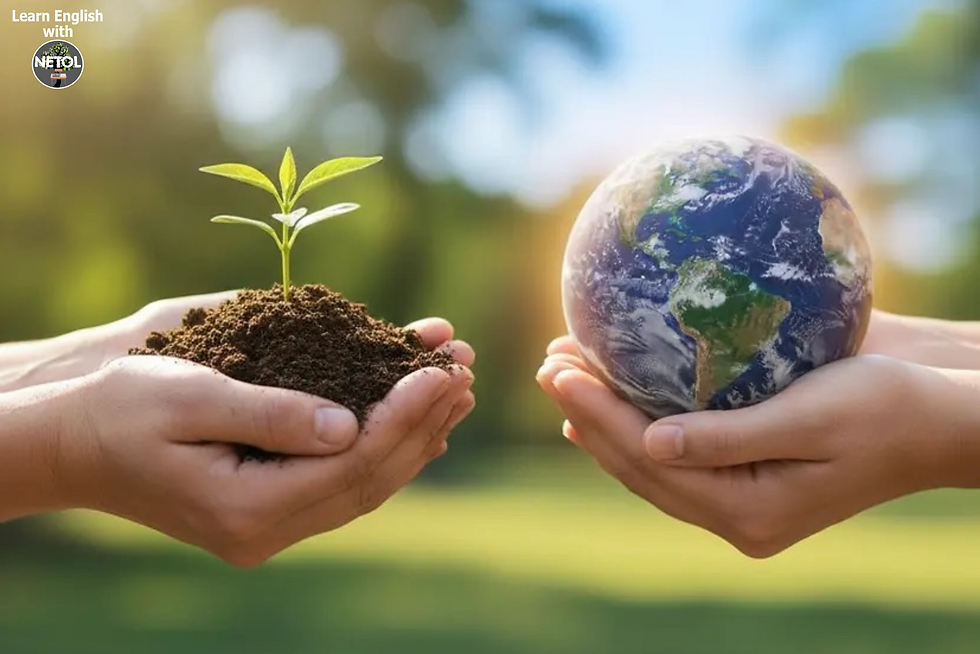
Today, Earth Day is observed in more than 190 countries, making it one of the largest environmental movements in the world. Countries such as Canada, the United States, the United Kingdom, Australia, India, Brazil, Germany, Japan, and South Africa take part. Each country celebrates Earth Day in its own way, based on its culture and environmental challenges, but they all share the same goal of protecting the planet.
How Do Schools Observe Earth Day

Schools often celebrate Earth Day with activities that help students learn about caring for the environment. Teachers may plan lessons about recycling, pollution, and climate change. Many schools organize schoolyard clean-ups where students pick up litter and learn why keeping spaces clean is important. Some schools plant gardens or trees on school property. Assemblies, poster contests, and eco‑clubs also help students learn that even small actions can make a big difference for the Earth.
Earth Day: Small Actions, Big Impact

Overall, Earth Day reminds everyone that caring for the planet is a shared responsibility. It teaches us that small actions, like recycling, saving energy, and picking up litter, can make a big difference. By working together and making thoughtful choices each day, we can help create a healthier Earth for future generations.
4 Important Environmental Issues

Environmental problems affect people, animals, and the planet every day. Many of these issues are caused by human actions and can have serious effects if they are ignored.
There are four important environmental issues that need our attention right away:
By understanding what these problems are, how they happen, and what could occur if they continue, people can learn why caring for the Earth is important and how everyday choices can make a difference.
Environmental Issue #1: Pollution

Explanation: Pollution happens when harmful substances are released into the air, water, or land. This can include smoke from cars and factories, plastic waste in rivers, and chemicals in the soil. Pollution can make people sick and damage plants and animals. It also affects drinking water and the air we breathe. Reducing pollution means using less plastic, recycling, and choosing cleaner ways to travel.
Examples of Pollution

Example #1: Smoke from cars and buses that makes the air dirty.
Example #2: Plastic bottles and bags floating in rivers and lakes.
Example #3: Chemicals from factories leaking into the soil.
Example #4: Oil spills that harm fish and sea birds.
Example #5: Litter left in parks, schoolyards, and streets.
What Could Happen If Pollution Continues
Consequences: If pollution continues to increase, the air, water, and land will become more dangerous for living things. People may suffer more health problems, such as breathing illnesses and unsafe drinking water. Animals could lose clean habitats, and many plants may not survive in polluted soil. Rivers and lakes could become too dirty to support fish, and cities may become harder places to live. Over time, pollution could seriously harm both human life and nature.
Pollution Video
Environmental Issue #2: Deforestation
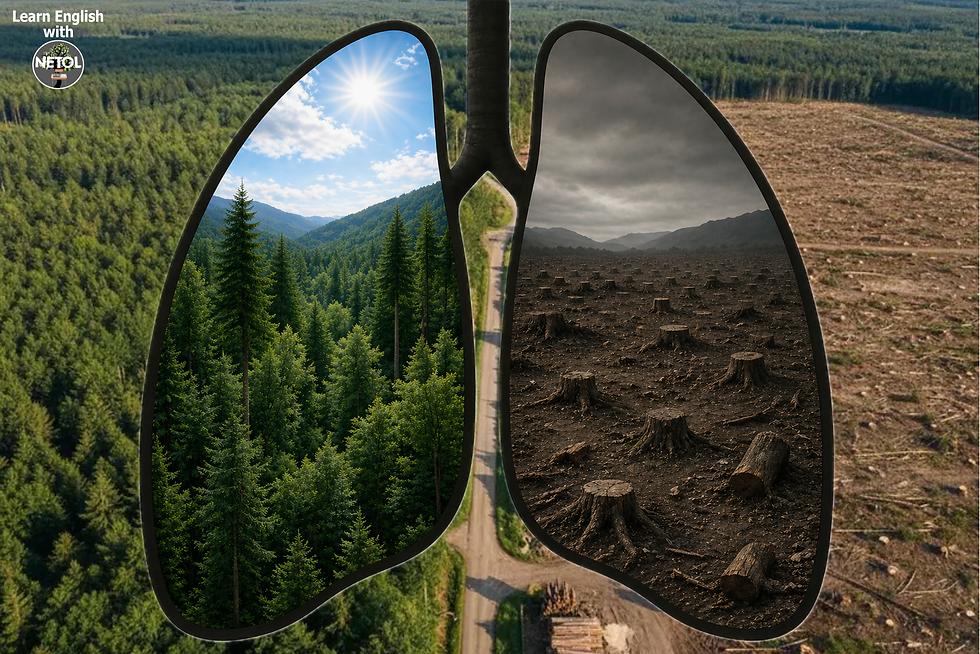
Explanation: Deforestation is the cutting down of large areas of forests. Trees are often removed to make space for farms, roads, or buildings. When forests disappear, animals lose their homes and people lose clean air. Trees also help control the climate by absorbing carbon dioxide. Without enough trees, the Earth becomes warmer, and the natural balance is lost.
Examples of Deforestation
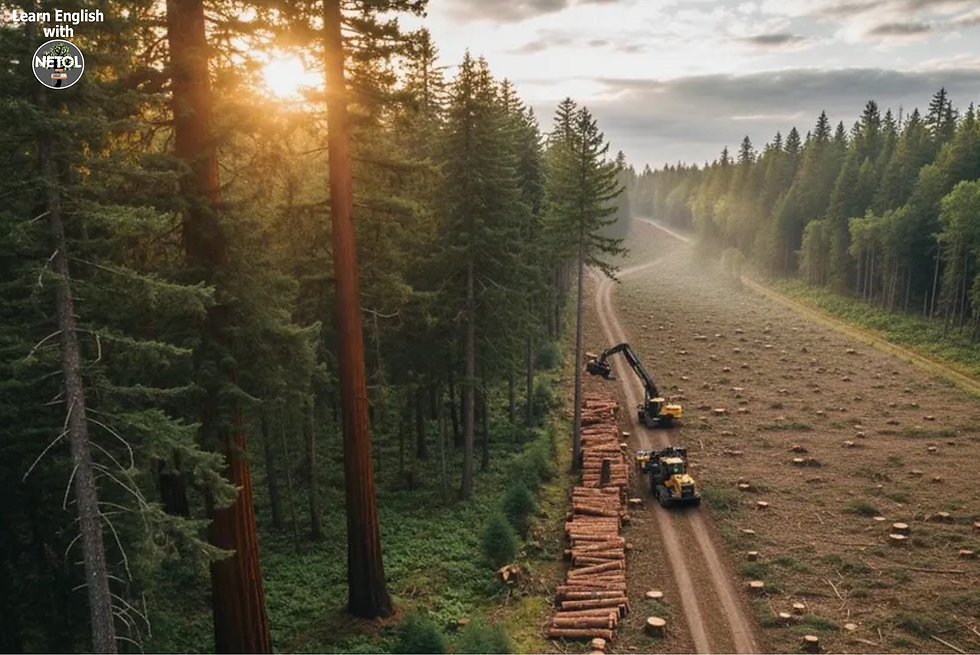
Example #1: Cutting down forests to build new roads and cities.
Example #2: Clearing trees to create farmland for crops or animals.
Example #3: Logging large areas for paper and wood products.
Example #4: Burning forests to make space for buildings.
Example #5: Removing trees that animals need for shelter and food.
What Could Happen If Deforestation Continues
Consequences: If deforestation continues, large areas of the Earth could lose their forests forever. Many animals would lose their homes and could become extinct. Without trees to absorb carbon dioxide, the climate would become warmer and less stable. Soil could wash away more easily, causing floods and poor farmland. People would also lose clean air, making life harder for future generations. Have a look at the poster below, which shows how many trees are/were on Earth.
How Many Trees Are/Were on Earth?

Aroud The Year 1900

Around 1900, the Earth had about 4 trillion trees. Forests covered large areas of the planet, but deforestation had already started in Europe, North America, and parts of Asia. Trees were cut down to build cities, farms, and industries. Forest loss increased quickly during the 20th century.
Around The Year 1950

By 1950, the number of trees had dropped to about 3.5 trillion. After World War II, forests were cleared faster than before. More land was needed for farming, roads, and homes. Logging also increased to meet growing demands.
Around The Year 2000

Around 2000, there were about 3.1 trillion trees left. Deforestation has become a global problem. Scientists used satellite images to track forest loss, especially in South America, Africa, and Southeast Asia. Many people became concerned about the environment.
Around The Year 2025
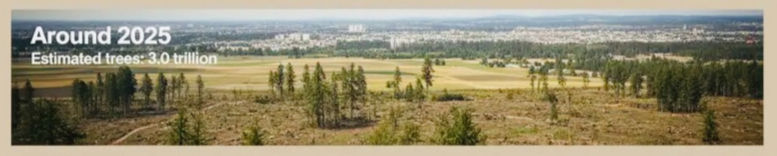
In 2025, the Earth had about 3.0 trillion trees. Each year, around 15 billion trees were cut down, while only 5 billion are replanted. This means forests continue to shrink every year. The loss of trees puts ecosystems at risk.
Around The Year 3000, If Deforestation Continues at the Current Rate

If deforestation continues at the same rate, very few forests may remain by the year 3000. Only small protected areas could survive. This would cause serious problems for the climate, animals, and people. This is why protecting forests now is very important.
Deforestation Video
Environmental Issue #3: Global Warming

Explanation: Global warming is the slow increase in the Earth’s average temperature. It happens because gases like carbon dioxide trap heat in the atmosphere. These gases come from burning fossil fuels such as oil, gas, and coal. Global warming causes melting ice, rising sea levels, and extreme weather like heat waves and floods. It affects people, animals, and ecosystems all over the world.
Signs and Examples of Global Warming

Example #1: Hotter summers and more frequent heat waves.
Example #2: Melting glaciers and ice caps in cold regions.
Example #3: Rising sea levels that threaten coastal communities.
Example #4: More floods, droughts, and extreme storms.
Example #5: Changes in animal habitats due to warmer temperatures.
What Could Happen If Global Warming Continues
Consequences: If global warming becomes more severe, temperatures around the world will continue to rise. Ice caps and glaciers will melt faster, causing sea levels to rise and flood coastal areas. Extreme weather, such as heat waves, storms, floods, and droughts, will become more common. These changes could damage homes, farms, and ecosystems. Many people and animals may struggle to survive in changing climates.
Global Warming Video
Environmental Issue #4: Carbon Footprint

Explanation: A carbon footprint is the amount of greenhouse gases a person, family, or activity creates. Everyday actions such as driving a car, using electricity, and eating imported food increase a carbon footprint. Even small choices can add up over time. Reducing a carbon footprint can include walking instead of driving, saving energy, and using reusable items to help protect the planet.
Carbon Footprint Examples

Example #1: Driving a car every day instead of walking or biking.
Example #2: Using a lot of electricity for lights, screens, and appliances.
Example #3: Flying on airplanes for vacations or travel.
Example #4: Eating food that is shipped from faraway countries.
Example #5: Using single‑use plastics instead of reusable items.
What Could Happen If Carbon Footprints Stay High
Consequences: If people continue to increase their carbon footprints, more greenhouse gases will be released into the atmosphere. This will trap more heat and make global warming worse. Energy use, transportation, and waste will continue to harm the environment. Future generations may face fewer natural resources and more environmental problems. Reducing carbon footprints is important to protect the planet and create a healthier future.
Carbon Footprint Video
What Does Decompose Mean?
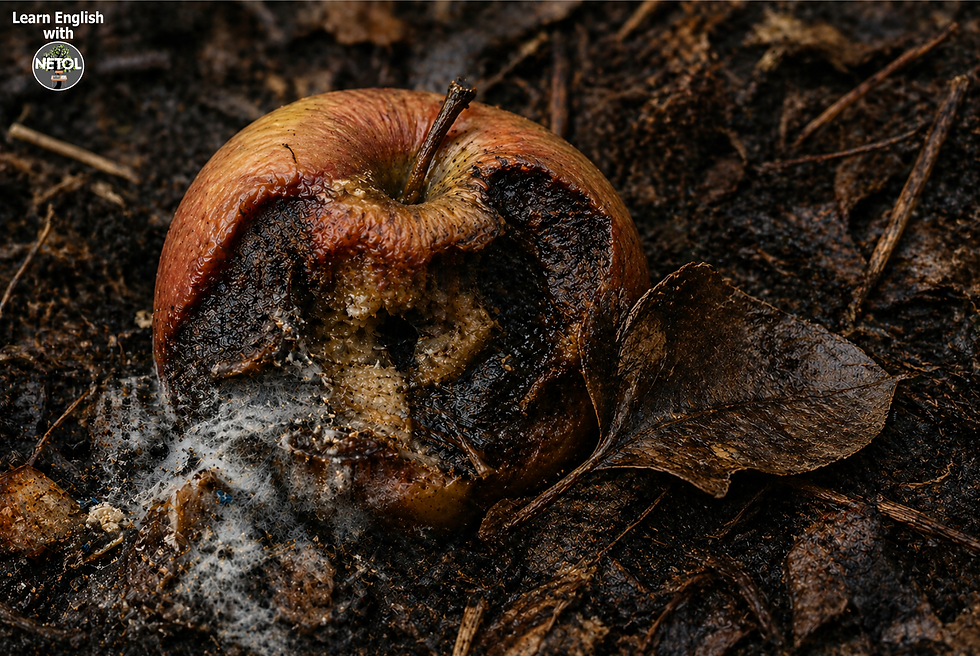
To decompose means to slowly break down into smaller, natural parts over time. This happens when air, water, and tiny living things like bacteria and insects work together to change materials. Many natural items, such as food scraps, leaves, and paper, decompose and return to the Earth, helping the soil stay healthy. Some materials decompose quickly, while others can take many years or may not fully decompose at all.
Decomposition Chart

The chart below shows that some items break down quickly, like food and paper, but others stay in the environment for hundreds or even thousands of years. When people throw items on the ground or into landfills, they can harm animals, pollute water, and damage the Earth for a very long time. Recycling, reducing waste, and reusing items can help lower this problem.

# | Item | Time to Decompose | |
1. | Paper towel | 2–4 weeks | |
2. | Banana peel | 2–5 weeks | |
3. | Paper | 2–6 weeks | |
4. | Newspaper | 6 weeks | |
5. | Bread | 1 month | |
6. | Paper plate | 1 month | |
7. | Apple core | 2 months | |
8. | Cardboard | 2 months | |
9. | Coffee filter | 1–2 months | |
10. | Tea bag | 3–4 months | |
11. | Cotton cloth | 5 months | |
12. | Orange peel | 6 months | |
13. | Wooden spoon | 1 year | |
14. | Eggshell | 1 year | |
15. | Wool clothing | 1 year | |
16. | Milk carton | 5 years | |
17. | Juice box | 5 years | |
18. | Cigarette butt | 10–12 years | |
19. | Leather shoes | 25–40 years | |
20. | Fast food wrapper | 30 years | |
21. | Tin can | 50 years | |
22. | Plastic cup | 50 years | |
23. | Rubber boot | 50–80 years | |
24. | Battery | 100 years | |
25. | Pencil | 100 years | |
26. | Plastic straw | 200 years | |
27. | Plastic fork | 200 years | |
28. | Aluminum can | 200–500 years | |
29. | Plastic toy | 300 years | |
30. | Bottle cap | 400 years | |
31. | Aluminum foil | 400 years | |
32. | Plastic bottle | 450 years | |
33. | Disposable diaper | 450 years | |
34. | Toothbrush | 500 years | |
35. | Plastic bag | 500–1000 years | |
36. | Glass bottle | Over 1 million years | |
37. | Styrofoam cup | Does not fully decompose |
Three Simple Ways to Help the Earth: Reduce - Reuse - Recycle
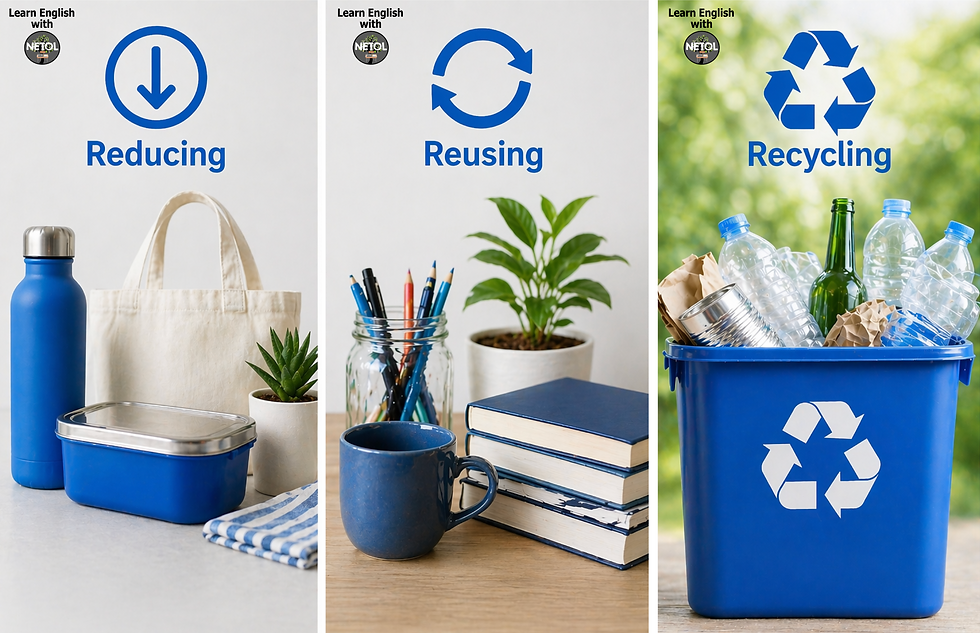
Reduce, Reuse, and Recycle are three important actions that help protect the environment.
Reduce: means using fewer resources and creating less waste, such as turning off lights, buying only what you need, and choosing products with less packaging.
Reuse: means using items again instead of throwing them away, like refilling a water bottle, using cloth bags, or donating clothes.
Recycle: means sorting materials such as paper, plastic, metal, and glass so they can be made into new products.
Why Should We Reduce, Reuse, & Recycle?

We should reduce, reuse, and recycle because these actions help protect the environment and save natural resources.
Reducing helps lower waste and saves energy by using fewer materials.
Reusing helps keep useful materials out of landfills and reduces the need to make new products.
Recycling turns old materials into new ones, which lowers pollution and conserves resources like trees, water, and minerals.
When we reduce, reuse, and recycle, we help keep our Earth cleaner and healthier for us and for future generations.
.
The History Of Canada's Recycling Program

Recycling in Canada began in Kitchener, Ontario, during the early 1980s. At that time, people were becoming worried about how much garbage was going into landfills. Community members and local leaders wanted to find a better way to manage waste and protect the environment.
In 1981, Kitchener introduced one of Canada’s first curbside recycling programs, known as the Blue Box program. Residents were asked to separate items like paper, glass, and metal from their garbage and place them in blue boxes at the curb.
The program was very successful, and many households participated. Because of this success, recycling programs quickly spread to other cities across Ontario and later across Canada.
Over time, the recycling program spread across Canada and influenced recycling in other countries around the world. Today, many places use similar recycling systems where people separate paper, plastic, glass, and metal for collection. What began as a small local program in Kitchener, Ontario, has played an important role in shaping modern recycling practices around the world.
The Different Journeys Of Three Plastic Bottles

The video “Lifecycle of a Plastic Bottle,” shown below, explains how recycling began and why it is important for protecting the environment. It shows how people became concerned about growing amounts of waste and began looking for better ways to manage garbage. The video also helps viewers understand how simple actions, such as sorting materials and reducing waste, can make a big difference over time. As you watch, think about how recycling started, how it has changed, and why it is still important today.
Lifecycle Of A Plastic Bottle Video
Concluding Thoughts: Our Earth, Our Responsibility

Earth Day reminds us that we only have one planet. Every small action matters. By learning about the environment and making responsible choices, we can protect the Earth for ourselves and for future generations. Caring for the planet is not just an Earth Day activity; it is a lifelong responsibility. 🌱💚

Click below for a lesson & activities on this topic:


Written by: Nicole WT
Copyright © Learn English with NETOL. All rights reserved.


Comments