


Lesson & Activities - Understanding Personal Qualities & Traits
Updated: May 3


✦ This lesson includes these sections:
☞ PART 1 - Understanding Personal Qualities & Traits
☞ PART 2 - 8 Parts Of Speech
☞ PART 3 - Adjectives
☞ PART 4 - Adjectives & Personal Qualities
☞ LISTENING - Adjectives & Personal Qualities
☞ PART 5 - Important Personal Qualities & Traits
☞ ACTIVITY 1 - Personal Qualities Matching Exercise
☞ POLL - Which Personal Qualities Best Describe You?
☞ PART 6 - Personal Qualities - Explanation & Examples
☞ LISTENING - Personal Qualities - Explanation & Examples
☞ ACTIVITY 2 - Narration Comprehension Activity
☞ PART 7 - Understanding Positive & Negative Qualities
☞ ACTIVITY 3 - Positive & Negative Personal Qualities
☞ PART 8 - Top Positive & Negative Personal Qualities
☞ PART 9 - Difference Between Personal Qualities & Feelings
☞ ACTIVITY 4 - Personal Qualities Or Feelings
☞ PART 10 - Personal Qualities Of The People In Our Lives
☞ LISTENING - Personal Qualities Of The People In Our Lives
☞ ACTIVITY 5 - Fill In The Personal Qualities Chart
☞ PART 11 - Personal Qualities That Best Describe You
☞ VIDEO - The Importance Of Knowing Our Personal Qualities
☞ PART 12 - Real Life Examples
☞ ACTIVITY 6 - Speaking Presentation Activity
☞ PART 13 - Concluding Thoughts
☞ QUIZ - Test Your Knowledge
✦ Click on each section from above to see it ↑
✦ Click on each title box from below to get back here ↓

Understanding Personal Qualities & Traits


Speaking Activity
Conversation Questions
Instructions:
Listen to and read the conversation questions.
Practice your speaking by answering each question out loud.
See some possible answers to the conversation questions by clicking the side arrows next to each question.
Conversation Questions
1. What are personal qualities and traits?
Personal qualities and traits are characteristics that describe how a person thinks, feels, and behaves. They are part of what makes us unique.
2. Can you name one positive and one negative personal quality?
One positive personal quality is kindness, and one negative personal quality is impatience.
3. What are two personal qualities that best describe you?
Two personal qualities that best describe me are creative and loyal.
4. What personal quality do you admire most in others, and why?
The personal quality I admire most in others is empathy because it shows that they care about and understand other people's feelings.

Writing Activity - Pre-Reading Vocabulary
Instructions:
Get a pencil and paper.
Copy the words from below.
Look up the definitions of the words online.
Get to know the definitions of each word.
Important Words - Personal Qualities & Traits
reliable
honest
dependable
sociable
tightfisted
dishonest
trustworthy
thoughtful
unreliable
self-centered
cheerful
ambitious
impatient
inconsiderate

Personal Qualities & Traits
Instructions:
Read the following text.
Listen to the audio files.
Complete the activities within the lesson.
Note: Reading out loud when learning a new language is important because it helps you practice your pronunciation. When you speak the words, you can hear how they sound, and this will improve your speaking skills.

Understanding Personal Qualities & Traits

Personal qualities and traits are the unique characteristics that make us who we are. They are important because they help us understand ourselves better and shape how we interact with others. Knowing our personal qualities and traits can guide us in making good choices, choosing the right careers, and building strong relationships. It also helps us recognise our strengths and identify areas where we can improve. Understanding all of this can help us grow and succeed in life.

8 Parts Of Speech
Parts of speech are groups that show how words are used in a sentence. Each group has its own job. When we learn the eight parts of speech, it becomes easier to understand English and to write good sentences. This chart gives easy meanings and examples to help you learn each part of speech.
8 Parts Of Speech | Definitions |
Noun | A noun is a word that names a person, place, thing, or idea. |
Pronoun | A pronoun is a word that replaces a noun so we do not repeat it. (he, she, they). |
Verb | A verb is a word that shows an action or a state of being. (run, feel, is). |
Adjective | An adjective is a word that describes a noun by giving more information about it. |
Adverb | An adverb word that describes a verb, an adjective, or another adverb, often showing how, when, or where something happens. |
Preposition | A word that shows the relationship between nouns or pronouns, such as location, time, or direction. (in, on, beside). |
Conjunction | A conjunction is a word that joins words, phrases, or sentences. (and, but, because). |
Interjection | An interjection is a word or short phrase used to show strong feeling, emotion or surprise. (Oh!, Wow!). |


What Is An Adjective?
An adjective is a word that describes a noun. It gives more information about a person, place, thing, or idea. Adjectives help us understand what something looks like, feels like, or behaves like.
For example, in the phrase a friendly student, the word friendly is an adjective that describes the student.
Why Are Adjectives Important?
Adjectives make our descriptions more interesting and more exact.
Instead of saying: “My friend is a person.”
We can say: “My friend is a kind and funny person.”
These two adjectives give a clearer picture of who the friend is.
How Adjectives Help In Communication
Using adjectives helps us:
Give clear descriptions
Express opinions
Understand others better
Build stronger relationships
For example, if you tell a teacher, “I am confused,” the adjective confused helps the teacher know you need help.
The Three Questions An Adjective Answers
An adjective usually answers three key questions about a noun:
What kind?
Which one?
How many?
These questions help us understand exactly what the speaker or writer wants to describe.
What kind? | Which one? | How many? |
This question tells us the type or quality of the noun. | This question shows a specific noun or identifies one from a group. | This question tells us the number or amount of nouns. |
|
|
|
How Do Adjectives Relate To Personal Qualities?

Personal qualities are usually described with adjectives. These adjectives tell us what kind of person someone is. When we use adjectives to talk about personal qualities, we can describe someone’s behaviour, attitude, and character. These words help us understand people better and talk about our relationships more clearly.
For example:
“My friend Lorena is very thoughtful. She always remembers my birthday and asks how I am feeling. She is also dependable, because she keeps her promises and helps me when I need support.”
In the example from above, thoughtful and dependable are the adjectives.
Here is the reason why thoughtful and dependable are the adjectives:
Thoughtful is an adjective because it describes what kind of person Lorena is. It gives information about her character and behaviour.
Dependable is an adjective because it describes Lorena as someone you can trust or count on. It tells us one of her personal qualities.

Listening Activity
Adjectives & Personal Qualities
Instructions:
Press the play button below.
Listen to the audio -Personal Qualities & Traits.
Use the reading from above to follow along with the audio.


Important Personal Qualities And Traits

Personal Qualities & Traits | Definitions |
ambitious | Someone who works hard because they want to reach big goals. |
cheerful | A person who is usually happy and brings good feelings to others. |
dependable | A person people can count on to finish tasks and keep promises. |
dishonest | Someone who lies or does not tell the truth. |
honest | Someone who tells the truth and does not hide important information. |
impatient | A person who does not like waiting and gets annoyed quickly. |
inconsiderate | Someone who does not think about other people’s feelings or needs. |
reliable | A person who does what they say they will do. Other people can depend on them. |
self‑centred | Someone who thinks mostly about themselves and not about others. |
sociable | Someone who likes being with others and enjoys talking to people. |
thoughtful | Someone who thinks about other people’s feelings and tries to be kind. |
tightfisted | A person who does not like to spend or share money, even when it is needed. |
trustworthy | A person who keeps secrets and can be trusted with important things. |
unreliable | A person who often forgets things or does not do what they promise. |

Reading & Writing Practice
Personal Qualities & Traits Matching Exercise
Instructions:
Get a pencil and paper.
Make a list from 1 to 14.
Read the 10 definitions.
Use the chart - Personal Qualities & Traits and decide which definition matches which personal quality or trait.
Practice your writing by writing the name of the personal quality or trait next to each number on your paper.
Check your answers by clicking on the side arrows next to each definition.
Personal Qualities & Traits
Matching Activity

1. Daniel always tells the truth and does not hide information. Which personal quality does Daniel have?
Answer: Honest

2. Leo cannot wait calmly and gets upset when things take too long. Which personal quality does Leo have?
Answer: Impatient

3. Eleonora works hard to reach her goals and wants to be successful. Which personal quality does Eleonora have?
Answer: Ambitious

4. Maya is happy most of the time and brings a positive mood to others. Which personal quality does Maya have?
Answer: Cheerful

5. Sofia enjoys being with others and feels comfortable in groups. Which personal quality does Sofia have?
Answer: Sociable

6. Evan only thinks about himself and does not care about other people's needs or feelings. Which personal quality does Evan have?
Answer: Self-Centred

7. Leanne does not think about how her actions affect other people. Which personal quality does Leanne have?
Answer: Inconsiderate

8. Caleb lies or hides the truth to get what he wants. Which personal quality does Caleb have?
Answer: Dishonest

9. Harper can be trusted to do what she promises. Which personal quality does Harper have?
Answer: Dependable

10. Owen forgets promises, misses tasks, or cannot be counted on. Which personal quality does Owen have?
Answer: Unreliable

11. Lilly takes time to think about others’ feelings and tries to be kind. Which personal quality does Lilly have?
Answer: Thoughtful

12. Felix is careful with money and does not like spending it. Which personal quality does Felix have?
Answer: Tightfisted

13. Bella keeps information safe and does the right thing, even when no one is watching. Which personal quality does Bella have?
Answer: Trustworthy

14. Jack can be counted on in almost any situation because he is consistent. Which personal quality does Jack have?
Answer: Reliable


Take Our Poll
Which Personal Quality Best Describes You?
Which personal quality best describes you? (Select 1)
0%reliable
0%honest
0%dependable
0%sociable
Explanations & Examples Of
Personal Qualities & Traits

Reliable and Honest

Explanation: A reliable person is someone you can trust to do what they say. An honest person always tells the truth.
Example: Sarah is reliable and honest because when she says she will help her friend, she comes on time and works hard. If she breaks something, she tells her friend and offers to fix it.
Dependable and Sociable

Explanation: A dependable person always does what they promise. A sociable person likes to be with others and is friendly and outgoing.
Example: Tom is dependable and sociable because he always comes to work early and finishes his tasks on time. He also likes to plan team events and makes everyone feel welcome.
Tightfisted and Dishonest
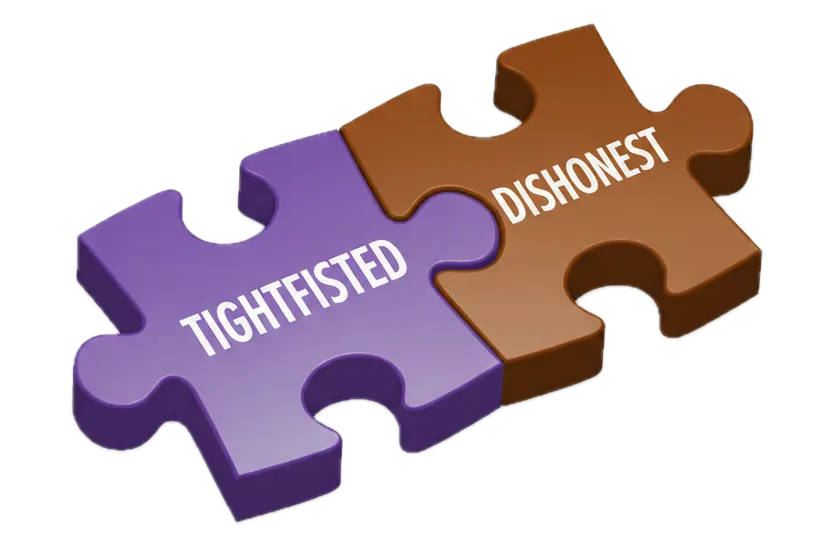
Explanation: A tightfisted person does not like to spend money. A dishonest person does not tell the truth.
Example: Mitch is tightfisted and dishonest because he always borrows money from his friends and does not pay them back, saying he forgot. He also avoids paying for group gifts or outings.
Trustworthy and Thoughtful

Explanation: A trustworthy person keeps their promises and secrets. A thoughtful person cares about others and their needs.
Example: Emily is trustworthy and thoughtful because her friends trust her with their deepest secrets. And she also often does nice things, like bringing soup when someone is sick.
Unreliable and Self-Centred

Explanation: An unreliable person often does not do what they promise. A self-centred person thinks mostly about themselves.
Example: Judy is unreliable and self-centred because she often cancels plans and does not think about how cancelling plans might make others feel. Also, when her friends need help, she makes excuses not to help them.
Cheerful and Ambitious

Explanation: A cheerful person is happy and makes others feel good. An ambitious person wants to succeed and works hard.
Example: Nicole is cheerful and ambitious because she always smiles at her classmates and encourages them. She wants to do well in her studies and takes on difficult school projects and assignments.
Impatient and Inconsiderate

Explanation: An impatient person does not like to wait and gets upset easily. An inconsiderate person does not think about others' feelings.
Example: Alex is impatient and inconsiderate because he interrupts people when they speak and gets annoyed when things are slow. He does not think about how his actions affect others.
Listening Activity
Explanations & Examples Of
Personal Qualities & Traits
Instructions:
Press the play button below.
Listen to the audio -Personal Qualities & Traits.
Use the reading from above to follow along with the audio.
Explanations and Examples Of
Personal Qualities & Traits

Listening, Reading & Writing Practice
Narration Comprehending Activity
Instructions:
Get a pencil and paper.
Make a list from 1 to 7.
Listen and then read the 7 narrations.
Use the chart - Personal Qualities & Traits, and decide which pair of personal qualities and traits matches which narration.
Practice your writing by writing the pair of personal qualities and traits next to each number on your paper.
Check your answers by clicking on the side arrows next to each narration.
Personal Qualities & Traits
Narration Comprehension Activity

Narration #1

Narration #1: "My friend Leo often forgets our plans. Last week, he said he would meet me at the library, but he never came. He also talks about himself all the time. When I try to share my ideas, he does not listen and starts talking about his own problems again." Which pair of personal qualities does this narration describe?
ANSWER: Unreliable and Self-Centred
Narration #2
Narration #2: "My friend Olivia always arrives on time and keeps her promises. If she says she will help, she really helps. She also enjoys talking to new people. At parties, she easily starts conversations and makes others feel comfortable." Which pair of personal qualities does this narration describe?
ANSWER: Dependable and Sociable
Narration #3
Narration #3: “My friend Max smiles a lot and has a happy mood almost every day. He likes to plan big goals for his future. He studies hard because he wants a great career. He says he enjoys working toward his dreams.” Which pair of personal qualities does this narration describe?
ANSWER: Cheerful and Ambitious
Narration #4
Narration #4: “My friend Emma gets upset quickly when things move slowly. When we wait in line, she taps her foot and complains. She also doesn’t think about other people’s feelings. She speaks loudly on the bus and pushes past people without saying sorry.” Which pair of personal qualities does this narration describe?
ANSWER: Impatient and Inconsiderate
Narration #5
Narration #5: “My friend Ben always tells the truth, even when it is difficult. I can trust his words. He also finishes his tasks on time and remembers what he needs to do. If we work on a school project, he does his part very well.” Which pair of personal qualities does this narration describe?
ANSWER: Reliable and Honest
Narration #6
Narration #6: “My friend Nora doesn’t like spending money, even when it’s necessary. She refuses to buy snacks for herself and never wants to share anything she owns. Sometimes she also lies about small things, like saying she lost an item when she actually kept it.” Which pair of personal qualities does this narration describe?
ANSWER: Tightfisted and Dishonest
Narration #7
Narration #7: “My friend Daniel keeps secrets very well. If I tell him something personal, he never tells anyone else. He also pays attention to how people feel. When I look tired, he brings me water or asks if I need help.” Which pair of personal qualities does this narration describe?
ANSWER: Dependable and Sociable

Understanding Positive & Negative
Personal Qualities & Traits

Personal qualities and traits can be positive and negative. Positive personal qualities, like being honest, dependable, or cheerful, help us make friends and work well with others. They make people trust us and enjoy being around us. Negative personal qualities, like being impatient or inconsiderate, can cause problems and hurt people’s feelings.
It is important to understand our personal qualities so we can grow and change. When we try to build more positive qualities and reduce negative ones, we become better people and improve our relationships with others.

Reading & Writing Activity
Positive & Negative
Personal Qualities & Traits
Instructions:
Get a pencil and paper.
Copy the 7 pairs of personal qualities and traits.
Decide which pair of personal qualities and traits is positive or negative.
Check your answers by clicking on the side arrows next to each of the 7 pairs of personal qualities and traits.
Positive & Negative
Personal Qualities & Traits

1. Reliable and Honest - Are these personal qualities positive or negative?
Answer: These personal qualities are positive.

2. Dependable and Sociable - Are these personal qualities positive or negative?
Answer: These personal qualities are positive.
3. Tightfisted and Dishonest - Are these personal qualities positive or negative?
Answer: These personal qualities are negative.

4. Trustworthy and Thoughtful - Are these personal qualities positive or negative?
Answer: These personal qualities are positive.
5. Unreliable and Self-Centred - Are these personal qualities positive or negative?
Answer: These personal qualities are negative.
6. Cheerful and Ambitious - Are these personal qualities positive or negative?
Answer: These personal qualities are positive.
7. Impatient and Inconsiderate - Are these personal qualities positive or negative?
Answer: These personal qualities are negative.

What Are The Top Positive & Negative Personal Qualities & Traits That People Have?

Top Positive Personal Qualities & Traits
Positive Personal Qualities | Definition |
Kind | A person who cares about others and tries to help them. |
Friendly | Someone who is warm and easy to talk to. |
Patient | A person who stays calm when they wait or when things are slow. |
Creative | Someone who has new ideas and likes to make things. |
Hard‑working | A person who uses a lot of effort and does not give up easily. |
Brave | Someone who does something difficult or scary without fear stopping them. |
Polite | A person who uses good manners and speaks respectfully. |
Caring | Someone who shows love and concern for others. |
Generous | A person who likes to share things or give to others. |
Respectful | Someone who treats people in a good and proper way. |
Helpful | A person who likes to support others when they need something. |
Calm | Someone who stays relaxed and does not get upset easily. |
Confident | A person who believes in their own abilities. |
Flexible | Someone who can change plans easily and is open to new ideas. |
Organized | A person who keeps things tidy and makes plans clearly. |
Positive | Someone who looks at the good side of things. |
Loyal | A person who stays with and supports people they care about. |
Supportive | Someone who helps and encourages others. |
Responsible | A person who does what they should do and takes care of their duties. |
Fair | Someone who treats everyone in an equal and honest way. |
Top Negative Personal Qualities & Traits
Negative Personal Qualities | Definition |
Rude | A person who speaks or acts in a way that is not polite. |
Lazy | Someone who does not want to work or put in effort. |
Jealous | A person who feels upset when someone else has something good. |
Greedy | Someone who wants more than they need and does not like to share. |
Arrogant | A person who thinks they are better than others. |
Stubborn | Someone who refuses to change their mind, even when it is good to do so. |
Messy | A person who does not keep things clean or tidy. |
Moody | Someone whose feelings change quickly and are hard to understand. |
Bossy | A person who tells others what to do all the time. |
Passive | Someone who does not speak up or act when they need to. |
Careless | A person who does not pay attention and makes mistakes easily. |
Distractible | Someone who cannot focus and gets pulled away from tasks. |
Argumentative | A person who likes to start disagreements. |
Sensitive | Someone who becomes upset very easily. |
Harsh | A person who speaks or acts in a sharp or unkind way. |
Secretive | Someone who hides information and does not share their thoughts. |
Nervous | A person who often feels worried or afraid. |
Ungrateful | Someone who does not show thanks for help or kindness. |
Disrespectful | A person who does not show care for rules or other people. |
Overconfident | Someone who believes too strongly in their abilities and does not see risks. |

What Is The Difference Between
Personal Qualities & Feelings?

A feeling is something that you experience in a moment. It can change very quickly.
For example, you can feel happy in the morning, but later you might feel tired or upset. Feelings come and go, like the weather. One minute it is sunny, and the next minute it starts to rain.
A personal quality is something more permanent. It is part of who you are.
For example, you might be a patient person or a creative person. These personal qualities stay with you for a long time. They help other people understand what you are like, even when your feelings change.
Overall, a feeling is something you have. A personal quality is something you are. Feeling change every day, but personal qualities help shape your life. When you understand both, you learn more about yourself and others around you!
Personal Qualities Vs. Feelings?

Personal Qualities | Feelings | Differences |
Cheerful | Happy | Cheerful is the kind of person you are most of the time; happy is something you feel for a moment. |
Patient | Calm | Patient is a regular behaviour; calm is a short‑term feeling. |
Thoughtful | Grateful | Thoughtful is how someone often acts; grateful is a brief feeling. |
Caring | Sad | Caring is part of who you are; sad is something you may feel. |
Careful | Nervous | Careful describes how someone behaves; nervous is a temporary worry. |
Brave | Angry | Brave is a lasting quality; angry is a quick emotion. |
Energetic | Excited | Energetic describes someone day to day; excited is a momentary feeling. |
Cautious | Scared | Cautious is a steady way of acting; scared is a sudden |
Hard‑working | Tired | Hard‑working is your ongoing effort; tired is how you feel at a moment in time. |
Curious | Surprised | Curious is a lasting interest; surprised is a quick reaction. |

Reading & Writing Activity
Personal Qualities Or Feelings
Instructions:
Get a pencil and paper.
Make a list of numbers 1 to 12.
Read each sentence carefully.
Decide if the sentence describes a personal quality or a trait. by writing personal quality or feeling next to each number on your paper.
Check your answers by clicking on the side arrows next to each of the 12 sentences.
Personal Qualities Or Feelings?
1. Lucas was very nervous before his job interview. Does this sentence describe a personal quality or a feeling?
Answer: This sentence describes a feeling.

2. Maria always smiles and tries to make others feel good because she is caring. Does this sentence describe a personal quality or a feeling?
Answer: This sentence describes a personal quality.

3. Jin is usually worried when tasks are difficult. Does this sentence describe a personal quality or a feeling?
Answer: This sentence describes a feeling.
4. Sara was excited after hearing the good news. Does this sentence describe a personal quality or a feeling?
Answer: This sentence describes a feeling.
5. Anna is a careful person because she thinks before she speaks. Does this sentence describe a personal quality or a feeling?
Answer: This sentence describes a personal quality.
6. Tom was tired after working all day. Does this sentence describe a personal quality or a feeling?
Answer: This sentence describes a feeling.
7. Josh is a responsible person who always checks over his test before handing it in to the teacher. Does this sentence describe a personal quality or a feeling?
Answer: This sentence describes a personal quality.
8. Mia was scared for a moment when the loud noise happened. Does this sentence describe a personal quality or a feeling?
Answer: This sentence describes a feeling.
9. Mark was grateful after his classmate helped him carry his books. Does this sentence describe a personal quality or a feeling?
Answer: This sentence describes a feeling.
10. Leyla is usually very curious and asks many unique questions. Does this sentence describe a personal quality or a feeling?
Answer: This sentence describes a personal quality.
11. Umar is a brave person who keeps trying and does not give up, even when things are very difficult. Does this sentence describe a personal quality or a feeling?
Answer: This sentence describes a personal quality.
12. Julia was very upset when she lost her car keys. Does this sentence describe a personal quality or a feeling?
Answer: This sentence describes a feeling.

The People In Our Lives &
Their Personal Qualities & Traits

The people in our lives have special roles and many unique personal qualities and traits that make them so very special to us. For example:
A Relative
Example: "A relative, like my sister, is very reliable. Whenever I need help, I can count on her to be there for me. She is also honest, always telling me the truth even when it's hard to hear."
A Friend
Example: "A friend of mine is dependable. I know I can rely on him to keep our plans and be there when I need support. He is also very sociable, making everyone feel welcome and included."
A Classmate
Example: "A classmate of mine is trustworthy. I can share my thoughts and ideas with her, knowing she will keep them confidential. She is also thoughtful, often remembering small details about our conversations."
A Teacher
Example: "A teacher I know is patient. She takes time to explain things clearly and never gets upset when students need extra help. She is also dependable, always showing up prepared and ready to support our learning."
A Neighbour
Example: "My neighbour is cheerful. He always greets everyone with a smile and brightens up the day. He is also very sociable, often organizing community events to bring everyone together."
A Coworker
Example: "A coworker of mine is ambitious. She sets high goals for herself and works hard to achieve them. She is also dependable, always completing her tasks on time and helping others when needed."
A Manager
Example: "My manager is thoughtful. He considers everyone's opinions and makes decisions that benefit the whole team. He is also trustworthy, creating an environment where we feel safe to express our ideas."
Can you think of any other personal qualities or traits that a relative, a friend, a classmate, a neighbour, a coworker, or a manager has? If yes, complete Activity #4.
Listening Activity
The People In Our Lives & Their
Personal Qualities & Traits
Instructions:
Press the play button below.
Listen to the audio -Personal Qualities & Traits.
Use the reading from above to follow along with the audio.
The People In Our Lives & Their
Personal Qualities & Traits


Reading & Writing Practice
Fill In The Personal Qualities Chart Activity
Instructions:
Get a pencil, ruler, and paper.
Copy the chart from below.
Write 2 personal qualities for each person who is listed in the chart.
Check your answers by clicking on the side arrows.
***You can download the chart, print it and fill it out by clicking on the link below.
Fill In The Personal Qualities Chart Activity
Here is a chart that you can use: Write 2 personal qualities for each person:
People In Our Lives | Personal Quality 1 | Personal Quality 2 |
A relative | ||
A friend | ||
A classmate | ||
A neighbour | ||
A teacher | ||
A coworker | ||
A manager |
← Click on the arrow on the left to see possible answers.
People In Our Lives | Personal Quality 1 | Personal Quality 2 |
A relative | loyal | honest |
A friend | reliable | fair |
A classmate | friendly | thoughtful |
A neighbour | kind | sociable |
A teacher | creative | supportive |
A coworker | polite | hard-working |
A manager | responsible | organized |

Choosing Personal Qualities That Best Describe You

Choosing personal qualities that best describe you is important because it helps you understand yourself and show others who you are. When you know your personal qualities, it becomes easier to talk about yourself in a clear and friendly way. It also helps you explain your strengths in many situations, such as at school, at work, and during social events.
It is important for you to focus on your positive, not negative, personal qualities. For example, when you speak about your positive personal qualities, such as being ambitious, responsible, or creative, you show people your best skills and the kind of person you are. However, when you speak about your negative personal qualities, such as being lazy, moody, or messy, you show people your weaknesses instead of your strengths.
8 Events When People May Need to Talk About Their Personal Qualities

A job interview
Giving a presentation about yourself
Writing a résumé or cover letter
Meeting new classmates or coworkers
Talking to a teacher about your progress
Introducing yourself to someone new
Applying for a volunteer position
Attending a networking event

Why Is It Important To Know Our Personal Qualities?
The video from below shows a person who is at a job interview. This person was not able to answer questions about himself because he did not know his personal qualities. Watch this video to understand the importance of knowing your personal qualities and traits:

Using Real-Life Examples to Talk About Personal Qualities

Real-life examples are short stories or situations from your everyday life that help explain something about yourself. When you talk about your personal qualities, it is helpful to use real-life examples. These examples show that your personal qualities are true and not just something you say about yourself.
Real-life examples make your description stronger, clearer, and more believable. They help people understand how your personal qualities appear in your daily life, at school, at work, or during your free time.
Below are three personal qualities with real-life examples that show how these qualities relate to everyday life.
Ambitious

Personal Quality: Ambitious - An ambitious person works hard to reach their goals.
Real-Life Example: He comes to school every day and participates in class. He practises his English a lot during his free time and completes all of his class activities on time.
Responsible

Personal Quality: Responsible - A responsible person can be trusted to do their work and take care of important tasks.
Real-Life Example: He is a machine operator at a factory, and his coworkers and supervisor tell him that he is a very hard worker.
Creative

Personal Quality: Creative - A creative person enjoys making new things or finding new ideas.
Real-Life Example: He enjoys making things out of wood during his spare time. He made a wooden rocking chair and a large dining room table.

Speaking Presentation Activity
Talk About Your Special Personal Qualities That Best Describe You
Instructions:
Select a special person that you want to talk about.
Listen to the example presentation from below.
Get a pencil, ruler, and paper and write about your special person using these questions:
Introduce yourself.
Talk about 3 personal qualities that best describe you.
Provide 1 real-life example for each one of your personal qualities.
Include a concluding word at the end of your presentation.
Practice your speaking by practicing saying what you wrote out loud.
Your presentation should be between 2 to 5 minutes long.
Memorize your presentation.
Record yourself saying the presentation out loud.
***You can record your presentation, send it to Learn English with NETOL and an instructor will listen to your presentation and give you feedback.
Speaking Presentation Example
My Special Personal Qualities & Real Life Examples

↓

Concluding Thoughts On Personal Qualities & Traits

To sum up, understanding our good and not-so-good personal qualities and traits helps us think about how we act and how it affects our relationships with others. By encouraging positive personal qualities and traits and being aware of negative ones, we can improve our connections with people and create a more satisfying life for ourselves.

Test Your Knowledge By Taking Our Quiz
Instructions:
Read the 10 multiple-choice questions from below.
Answer each question.
Click the Submit button when you are done.
Click the View Score button to see how you did on the quiz.


Click below for a reading without the accompanying activities:


Written by: Nicole WT
Copyright © Learn English with NETOL. All rights reserved.


Comments