


Edublog - Groundhog Day: A Fun Winter Tradition
Updated: May 3


Groundhog Day: A Fun Winter Tradition

The Animal Behind Groundhog Day

A groundhog is a small animal that lives in North America. It is also called a woodchuck. Groundhogs are mammals and belong to the squirrel family. They live in underground holes and sleep through most of the winter in a long sleep called hibernation. Groundhogs are good diggers and eat plants like grass, fruits, and vegetables. Because they come out of their holes near the end of winter, people choose them to help “predict” the weather.
Understanding What A Prediction Is

A prediction is a statement about what someone thinks will happen in the future. A prediction can be based on facts, experience, or beliefs. Sometimes predictions use science, like weather forecasts. Other times, like on Groundhog Day, predictions are based on tradition and superstition.
What Is A Superstition?

A superstition is a belief that something will bring good or bad luck, even if there is no scientific proof. Superstitions often come from old traditions and stories. People may follow them because of culture, habit, or hope. For example, some people believe certain actions can change the future.
10 Popular Superstitions Around the World

Many superstitions are known around the world. Here are ten popular superstitions:
Seeing a shooting star brings good luck.
Many people believe that seeing a shooting star is lucky. Shooting stars are rare, so people think they are special. When someone sees one, they often make a wish and believe something good will happen.
Walking under a ladder brings bad luck.
In many cultures, people think walking under a ladder brings bad luck. One reason is safety—objects can fall from ladders. Over time, this idea became a superstition about bad luck.
Finding a four-leaf clover brings good luck.
Most clovers have only three leaves, so a four‑leaf clover is hard to find. Because it is rare, people believe it brings good luck. Finding one makes people feel happy and hopeful.
Breaking a mirror brings seven years of bad luck.
Some people believe that breaking a mirror brings seven years of bad luck. In the past, mirrors were expensive and special. Breaking one was a big problem, so people connected it with long‑term bad luck.
Knocking on wood brings good luck.
People knock on wood after saying something positive, like “I am healthy.” They believe this will protect their good luck. The idea comes from old beliefs that good spirits live in trees.
Opening an umbrella indoors brings bad luck.
Many people believe that opening an umbrella inside brings bad luck. This superstition may come from the past when umbrellas were large and dangerous indoors. Now, it is mainly a traditional belief.
Carrying a lucky charm brings protection and good luck.
A lucky charm is a small object people carry with them. They believe it protects them and brings good luck. The charm helps people feel safer and more confident in difficult situations.
Seeing a black cat crossing your path brings bad luck.
In some cultures, black cats are connected with bad luck. If a black cat crosses someone’s path, they may feel something bad will happen. In other cultures, black cats are lucky, so beliefs can be different.
Making a wish on your birthday candle brings good luck.
When people blow out birthday candles, they often make a wish. They believe the wish will come true if they blow out all the candles at once. This tradition is meant to bring happiness and good luck.
Spilling salt brings bad luck unless you throw some over your shoulder.
People believe spilling salt brings bad luck. However, they say you can stop the bad luck by throwing some salt over your left shoulder. This action is believed to protect you from bad luck.
When Is Groundhog Day Celebrated?

Groundhog Day is celebrated every year on February 2 in North America. This date stays the same each year and falls in the middle of winter. On this day, people look to a groundhog to predict whether winter will continue or spring will arrive early. Many people enjoy Groundhog Day because it brings fun, tradition, and hope for warmer weather.
The History of Groundhog Day

Groundhog Day started in the United States in the late 1800s. It began with German immigrants who settled in Pennsylvania. In Germany, people watched animals like hedgehogs to predict the weather. In America, groundhogs were common, so people used them instead. The first official Groundhog Day event was held in Punxsutawney, Pennsylvania, in 1887, and the tradition is still celebrated there today every year on February 2.
How Does The Groundhog Predict Early Spring Or 6 More Weeks Of Winter?

Step 1
The Groundhog Comes Out of Its Hole
Early in the morning on February 2, the groundhog is taken out of its underground hole. This happens after the groundhog has been sleeping there during the winter.
Step 2
People Watch the Groundhog Carefully
When the groundhog comes out, people watch to see what it does. They are especially watching for one thing: its shadow.
Step 3
The Prediction Is Made
If the Groundhog Sees Its Shadow

If the day is sunny, the groundhog may see its shadow on the ground.
People believe this means six more weeks of winter.
The groundhog is said to get scared and go back into its hole.
If the Groundhog Does NOT See Its Shadow

If the day is cloudy, the groundhog may not see its shadow.
People believe this means an early spring.
The groundhog stays outside longer.
Step 4
People Share the Prediction
After the groundhog’s action, the prediction is announced. People listen to the result at the celebration, on the radio, or on the news.
Groundhog Day in Punxsutawney, Pennsylvania

Punxsutawney, Pennsylvania, is the most famous place for Groundhog Day. The groundhog there is called Punxsutawney Phil. Thousands of visitors come to see him every year. The event happens at a place called Gobbler’s Knob. Phil is known as the “official” weather-predicting groundhog.
Groundhog Day in Wiarton, Ontario, Canada

In Canada, Groundhog Day is celebrated all across the country. One popular place where Groundhog Day is celebrated is Wiarton, Ontario. The groundhog there is called Wiarton Willie. Willie is famous for being white. The town has a big festival with parades and shows. Many people visit Wiarton to enjoy the celebration and hear Willie’s prediction.
This Year's Groundhog Day Predictions
2026
Groundhog Day Prediction In
Punxsutawney, Pennsylvania:
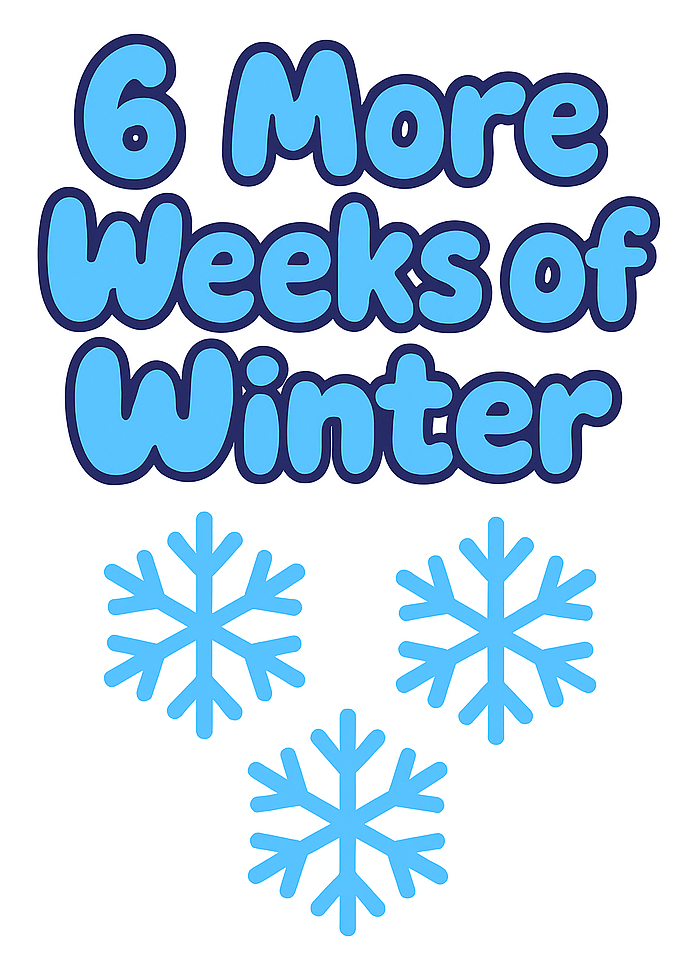
Groundhog Day Prediction In
Wiarton, Ontario, Canada:

Concluding Thoughts On Groundhog Day

Groundhog Day is a fun tradition with a long history. It brings together culture, superstition, and prediction. Even though it does not really predict the weather, it gives people something to enjoy in winter. Groundhog Day reminds us that traditions can be fun and meaningful, even if they are just for fun.

Click below for a lesson & activities on this topic:


Written by: Nicole WT
Copyright © Learn English with NETOL. All rights reserved.


Comments