



Edublog - Surviving Winter: Staying Safe, Warm & Positive in the Cold
Updated: May 3


Surviving Winter: Staying Safe, Warm & Positive in the Cold

The Winter Season In Canada
Winter is an important part of life in Canada. Snowy landscapes, cold air, and shorter days are common during this season. While winter can be beautiful and fun, it can also be challenging and sometimes dangerous. Extremely cold temperatures, heavy snowfall, and icy roads can affect everyday activities, health, and travel. Understanding winter safety, snow days, mental well‑being, and winter clothing can help people enjoy the season while staying safe and comfortable.
The Polar Vortex and Extreme Cold Weather

The weather can become very cold, especially when the polar vortex affects the region. The polar vortex is a large area of cold air high up in the atmosphere. It usually stays over the North Pole, but sometimes it moves south, bringing very cold temperatures.
When the polar vortex comes, temperatures can drop very low. It can be much colder than usual, making it important to be careful when going outside. One of the dangers of such cold weather is frostbite. Frostbite happens when your skin and the tissue underneath freeze. It usually affects fingers, toes, ears, and the nose. Frostbite can be very serious and can cause permanent damage if not treated quickly.
To protect yourself from frostbite, it is important to dress warmly. Wear layers of clothing, including a hat, scarf, gloves, and thick socks. Make sure to cover all exposed skin. If you feel your skin getting very cold or numb, go inside to warm up. It is also important to stay dry, as wet clothing can make you colder.
Winter Safety Tips

Winter weather can be unpredictable, especially in Canada. Snow, ice, and low temperatures can make daily activities more difficult and sometimes unsafe. Learning simple winter safety tips can help you stay warm, avoid accidents, and travel safely during the winter season.
Here are 7 important winter safety tips:
Winter Safety Tip # 1
Check The Weather Forecast Daily

Description:
Winter weather can change quickly. Checking the forecast helps you prepare for snow, strong winds, or very cold temperatures.
Example:
Before leaving home, you look at the forecast and see that a snowstorm is coming, so you wear your winter boots, and you bring extra warm clothes with you.
Winter Safety Tip # 2
Choose Waterproof Boots With Good Grips

Description:
Waterproof boots keep your feet dry, and a strong grip helps you avoid slipping on ice or snow.
Example:
On a snowy day, you wear boots with thick soles so you can walk safely on the sidewalk.
Winter Safety Tip # 3
Wear Warm Layers

Description:
Wearing several layers keeps your body warm because the air between the layers helps hold heat.
Example:
You put on a T‑shirt, a sweater, and a winter coat before walking to the bus stop.
Winter Safety Tip # 4
Limit Time Outdoors During Extreme Cold Warnings

Description:
When the temperature is very low, it is safer to stay inside because the cold can hurt your skin or make you sick.
Example:
When there is an extreme cold warning, you stay indoors and only go outside for short periods.
Winter Safety Tip # 5
Carry A Phone & Emergency Supplies

Description:
Winter travel can be risky, so having a phone and basic supplies can help you if your car breaks down or if you get stuck.
Example:
You bring a charged phone, a blanket, and some snacks in your car when driving in winter weather.
Winter Safety Tip # 6
Drive Slowly & Carefully On Icy Roads

Description:
Ice and snow make the roads slippery, so you need to slow down and leave more space between vehicles.
Example:
When you see ice on the road, you reduce your speed and keep a bigger distance from the car in front of you.
Winter Safety Tip # 7
Cover Exposed Skin To Prevent Frostbite

Description:
Frostbite can happen when skin is exposed to freezing temperatures for too long. Covering your skin helps protect it.
Example:
Before going outside, you put on gloves, a hat, and a scarf to keep your hands, ears, and face warm.
The Dangers Of Frostbite Due To Extreme Cold Weather

The Stages Of Frostbite
Frostbite occurs when skin and underlying tissues freeze due to exposure to extreme cold. It usually progresses through three main stages, each increasingly serious.
Stage | Skin | Sensation | Tissue | Blisters? | Reversible? |
Frostnip | Pale, red after warming | Tingling, numbness | Superficial | No | Fully reversible |
Superficial Frostbite | White/grey-yellow | More numb, stiff | Freezing of skin layers | Clear blisters | Often reversible |
Deep Frostbite | Blue/black | No sensation | Deep tissues (muscles, bone) | Bloody blisters | Often permanent damage |
Stage 1
Frostnip

Frostnip is the mildest and earliest form of cold injury. It is reversible, and there usually isn't any permanent damage. Rewarming usually resolves all symptoms without lasting injury.
What Happens
Skin becomes cold, numb, and pale.
You may feel tingling or “pins and needles.”
Ice crystals start forming on the surface of the skin, but do not penetrate deeper tissues.
What It Looks Like
Redness after rewarming
Temporary numbness
Skin feels firm but still pliable
Stage 2
Superficial Frostbite

Superficial frostbite indicates actual freezing of skin layers, but deeper tissues may still be unharmed. Some people may get blistering. Permanent damage is possible, but with proper treatment, long-term injury may be limited.
What Happens
The skin becomes white or grayish-yellow.
It feels hard or frozen, but tissues underneath may still be soft.
Loss of sensation increases.
After Rewarming
Skin may turn blue or purple.
Clear fluid-filled blisters often form within 24 hours.
The area becomes swollen and painful as circulation returns.
Stage 3
Deep Frostbite

Deep frostbite is the most dangerous stage and involves deeper structures like muscles, tendons, nerves, and bone. Deep frostbite is a medical emergency due to the potential of permanent injury, and it requires urgent medical attention and treatment.
What Happens
Skin turns deep blue, black, or mottled.
The area becomes completely numb.
Tissues feel hard and wooden, indicating frozen muscles or deeper tissues.
After Rewarming
Blood-filled blisters may appear.
Severe swelling
Possible tissue death (necrosis)
Loss of function or amputation may be required in extreme cases

Appropriate Winter Clothing To Wear During The Winter Season

The winter season requires warm and comfortable clothing. People must dress carefully to protect themselves from low temperatures. Many people wear thick jackets, wool coats, parkas and snow pants to block the cold wind and snow. Accessories like knitted scarves, snug hats, cozy earmuffs and comfortable gloves or mittens add extra warmth.
Materials are very important in winter clothing. Wool is a favourite because it is warm and soft. Fleece traps heat well, and waterproof boots protect feet from snow and ice. Thermal undershirts, neck warmers, and warm hats add comfort during long outdoor activities.
Have a look and read the description of the most important winter clothing that we wear during the winter season:
Winter Clothing
Gloves & Mittens

Gloves & Mittens protect our hands from cold air and wind. Hands lose heat very quickly, and cold hands can make it hard to do daily tasks. Mittens keep fingers together, which helps keep more heat inside.
Hats

Hats keep our heads and ears warm. A lot of body heat is lost through the head, especially in cold weather. Wearing a hat helps keep the whole body warmer.
Earmuffs

Earmuffs protect the ears from cold air and wind. Ears can get cold very fast and are at risk of frostbite in winter.
Scarves

Scarves protect the neck and upper chest from cold air and wind. They also help cover the mouth and nose, which can make breathing warm air easier.
Snow Pants

Snow pants keep legs warm and dry. They protect against snow when playing, walking, or sitting outside. They also block the cold wind.
Jackets

Jackets and parkas are one of the most important winter items. They keep the upper body warm and protect against wind, snow, and rain.
Boots
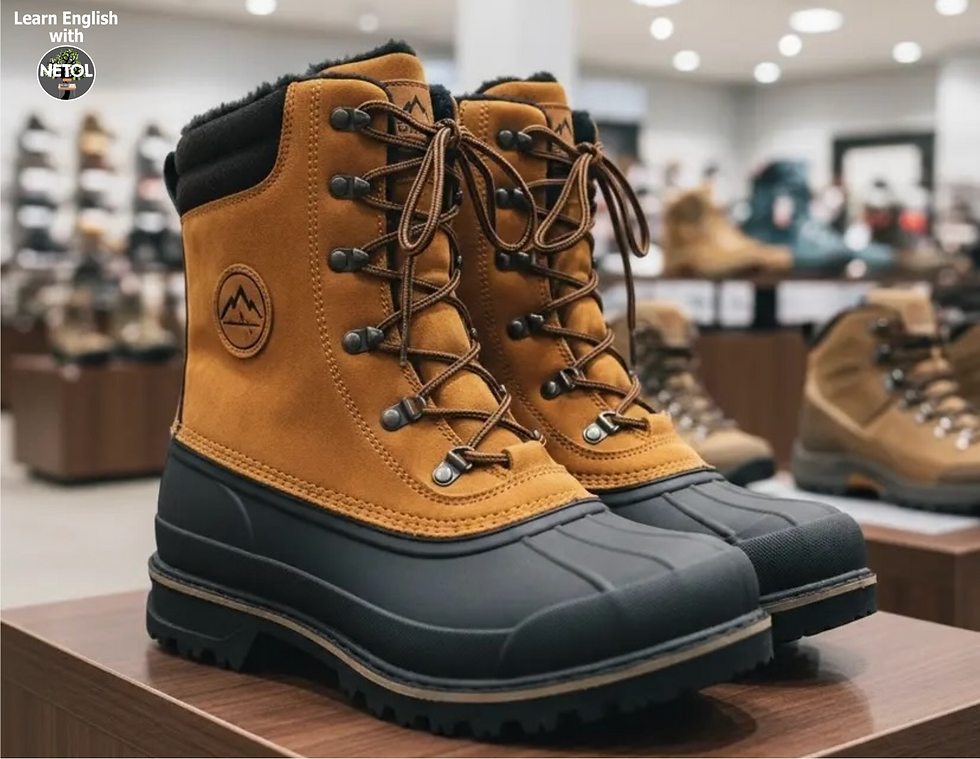
Winter boots keep feet warm, dry, and safe. Cold feet can lead to pain, frostbite, or slipping on ice.
Socks

Warm socks help keep feet warm and comfortable. They also prevent blisters and cold-related problems.
Temperature Certification Tags On Winter Clothing

It is important to buy the right clothing for winter in Canada, especially when the temperature can reach –10°C, –20°C, or even colder.
Temperature certification tags are labels found on some winter boots and jackets that show how cold the weather can be while still keeping you warm. These tags usually list a temperature, such as –10°C, –20°C, or –30°C, to explain the level of cold the item is designed for. This certification means the boots or jackets have been tested using special materials and insulation to protect the body from cold air and wind.
Some winter clothes look nice, but they do not have temperature certification tags. These items may be stylish, but they do not keep your body warm in very cold weather. Without proper protection, you can feel cold quickly and may be at risk of frostbite.
Which Winter Clothing Has Temperature Certification Tags?
Temperature Certification Tags
Boots

A temperature certification tag on boots shows how well they protect feet from cold temperatures. This is important for walking in snow or standing outside for long periods.
Temperature Certification Tags
Jackets

A temperature certification tag helps people choose a jacket that matches the winter temperature. This prevents being too cold or buying a jacket that is not warm enough.
Winter Weather

Staying Informed With The Top Weather Forecast Sites for Reliable Updates
Winter weather in Canada can change quickly. Snowstorms, freezing rain, strong winds, and extreme cold can affect daily plans and safety. Because of this, many people rely on weather forecasts to know what winter conditions are coming. Checking the weather regularly helps you choose the right winter clothing and prepare for dangerous conditions before leaving home.
Reliable Winter Weather Forecast Websites
There are several trusted weather websites that provide up‑to‑date information about winter weather. These sites give details about snowfall, wind chill, freezing rain, and extreme cold warnings.
Here are some popular and reliable weather forecast websites people often use in Canada:

The Weather Network
AccuWeather
The Weather Channel
Weather Underground
WeatherBug
Using these websites can help you plan your day, especially when winter weather changes suddenly. They also provide alerts and warnings that are important during snowstorms and cold waves.
Weather Watch Vs. Weather Warning Understanding Winter Weather Conditions

When checking a weather forecast during winter, you may see alerts such as weather watches or weather warnings. Knowing the difference between these two alerts is very important for winter safety.
What Is the Difference Between a Weather Watch and a Weather Warning?

Weather Watch
A weather watch means that winter conditions are right for severe weather to develop. This could include heavy snowfall, freezing rain, or very strong winds with extreme cold. A watch is like a warning to be prepared.
For example, if meteorologists see very cold air and moisture moving into the area, they may issue a watch for a snowstorm or freezing rain. This means dangerous winter weather is possible, but it has not started yet. During a watch, you should stay updated and be ready to change your plans if needed.
Weather Warning
A weather warning is more serious. It means that severe winter weather is about to happen or is already happening. For example, if a snowstorm is moving into your area or freezing rain has begun, a warning will be issued.
When there is a weather warning, immediate action is needed. You should follow safety advice, avoid unnecessary travel, and stay indoors if possible. Weather warnings help protect people from dangerous winter conditions like icy roads and whiteout snowfall.

What Is A Snow Day?

A snow day is a day when schools, colleges, or workplaces close because of heavy snow, icy roads, or dangerous weather. Snow days are common in Canada during the winter season. Snow days happen because of winter storms. School closures on snow days help keep students, teachers, and workers safe by reducing travel in unsafe conditions.
Snow days are usually announced early in the morning through school boards, radio, television, or online updates. For many children, snow days are exciting because they mean a day off from school. For parents and workers, snow days can be stressful because they require planning and flexibility.
What Is A Snow Day Predictor?

A snow day predictor is an online tool or website that estimates the chance of a snow day. People use snow day predictors to guess if schools might close due to winter weather.
How Does A Snow Day Predictor Work?

Snow day predictors collect weather data such as:
Expected snowfall
Temperature
Wind speed
Ice and freezing rain
Past school closure patterns
The snow day predictor uses this information to calculate a percentage chance of a snow day. While these tools are fun and helpful, they are not always 100% accurate. School boards are the ones that make the final decision.
Popular Snow Day Predictor Websites
Overcoming the Winter Blues

Winter Blues is a feeling of sadness or low energy that some people feel during the winter in Canada. This happens when the days are shorter and nights are longer, with less sunlight and colder weather.
Winter Blues usually occur from late November to early March, the coldest and darkest months in Canada. During this time, many people feel more tired, less motivated, and sometimes a bit sad or grumpy.
When people have Winter Blues, they might feel like they have less energy to do things they usually enjoy. They may also find it harder to focus or feel less social. These feelings are normal because of the changes in the weather.
To feel better during Winter Blues, it's important to find ways to add light and warmth to your life. One way is to spend time outside during the day, even for a short walk. Natural light can help improve mood and energy. Regular exercise is also helpful because it releases endorphins, which make you feel happier.
Seasonal Affective Disorder (SAD)

A specific type of Winter Blues is called Seasonal Affective Disorder (SAD). SAD is a kind of depression that happens in winter. It is thought that less sunlight can lower serotonin, which is a brain chemical that affects our mood.
There are a few things that people who suffer from Seasonal Affective Disorder (SAD) can do to feel better. Here are three treatments that are effective in treating SAD:
Treatment #1
Using Light Therapy

A common treatment for SAD is light therapy. This involves sitting in front of a special light box that acts like sunlight. Many people find that using a light box for 20 to 30 minutes each morning helps reduce SAD symptoms.
Treatment #2
Taking Vitamin D

Vitamin D, known as the “sunshine vitamin,” can also help improve mood and energy because the body makes less vitamin D in winter. Taking vitamin D supplements in winter may help people feel better.
Treatment #3
Spending Time Outdoors

Also, spending time outdoors during daylight hours can help improve SAD. Even a short walk can make a difference. Regular exercise is also helpful because it releases chemicals in the brain that improve mood.
Concluding Thoughts About Surviving Winter

The winter season in Canada can be cold, challenging, and sometimes dangerous, but it can also be enjoyable and rewarding. By understanding winter safety, preparing for extreme weather, dressing properly, and caring for both physical and mental health, people can make the most of the season. Snow days, warm clothing, safety awareness, and positive habits all help Canadians stay safe, comfortable, and optimistic. With the right preparation and mindset, winter can be a season of warmth, well‑being, and beauty across Canada.


Click below for a lesson & activities on this topic:


Written by: Nicole WT
Copyright © Learn English with NETOL. All rights reserved.


Comments