



Edublog - St. Patrick’s Day: A Celebration Of Culture, History, And Tradition
Updated: May 3

St. Patrick’s Day
A Celebration Of Culture, History, And Tradition

What is St. Patrick's Day?

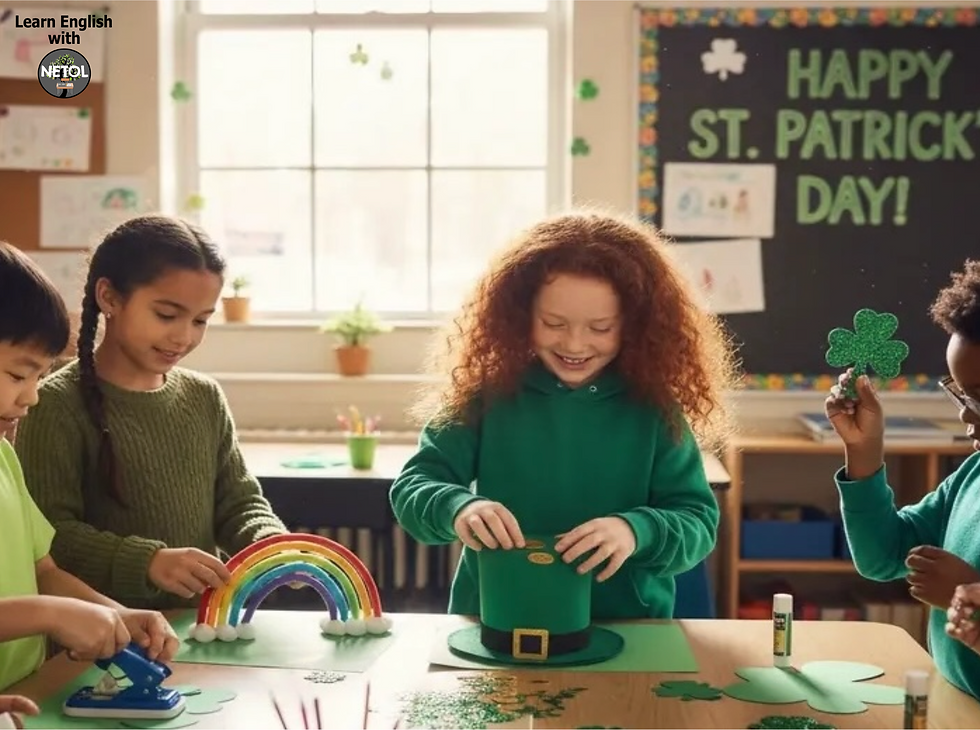
Every year on March 17, people in many countries celebrate St. Patrick’s Day. It is a time to wear green, join parades, and learn about Ireland’s history and traditions. The holiday began with St. Patrick, and today it represents joy, unity, and pride in Irish culture. In this reading, we will explore the history, symbols, and stories that make St. Patrick’s Day special around the world.
When is St. Patrick's Day Celebrated?

St. Patrick’s Day is celebrated every year on March 17. This day honours St. Patrick, the patron saint of Ireland. People in many countries enjoy parades and festivals. They listen to music, dance, and wear green clothes to show their excitement for the holiday.
Who Celebrates St. Patrick’s Day?

Although St. Patrick’s Day began in Ireland, people from many different backgrounds celebrate it today. Countries such as Canada, the United States, Ireland, the United Kingdom, and Australia take part in the festivities. People with Irish heritage often celebrate their culture, and many others join in because they enjoy the music, parades, bright colours, and friendly atmosphere of the day.
The Origin And Fascinating Beginning of St. Patrick's Day
St. Patrick’s Day started in Ireland many centuries ago as a religious holiday to honour St. Patrick. He was born in Britain and later moved to Ireland, where he taught people about Christianity, love, and kindness.
St. Patrick died on March 17, and this date soon became a yearly celebration to remember his life and his important work in helping the Irish learn about the Christian faith. In the 17th century, the day became officially recognized as a time to honour St. Patrick, and over the years it grew into a wider celebration of Irish culture.
How Do Schools Celebrate St. Patrick’s Day?
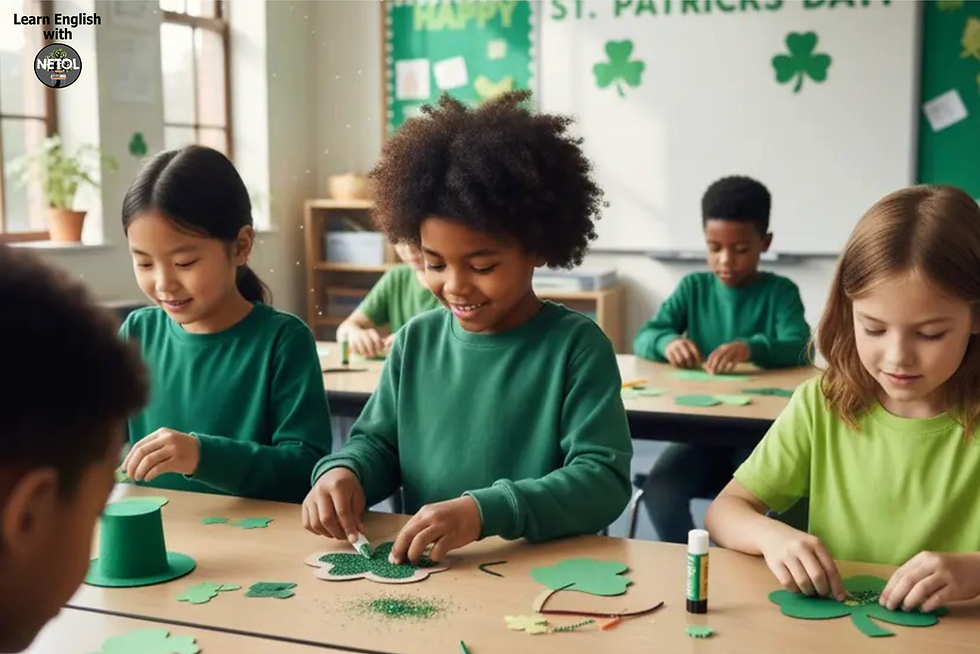
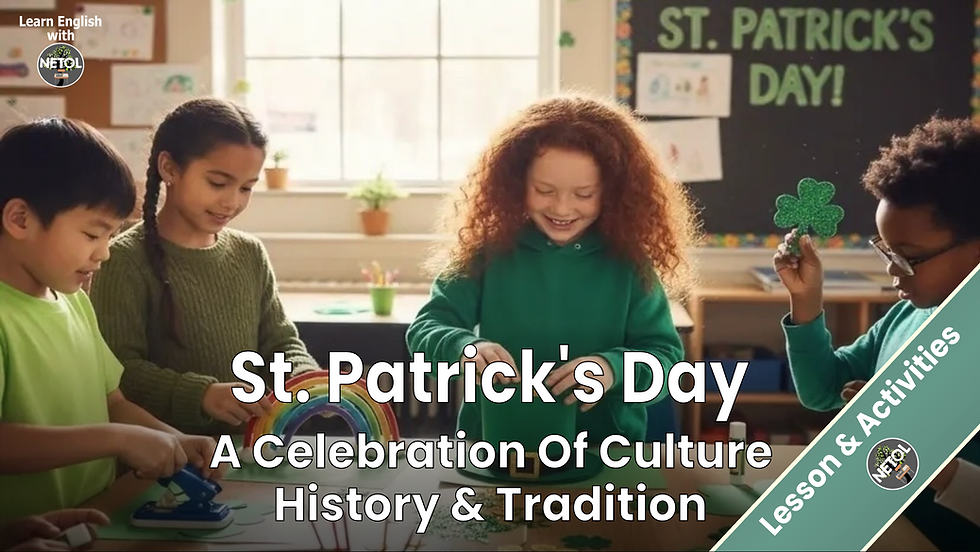
Many schools celebrate St. Patrick’s Day with fun learning activities. Students often wear green clothing or accessories. Teachers may organize crafts such as making shamrocks, rainbows, or leprechaun hats. Some classes read Irish stories or watch short videos about the history of the holiday. In some schools, students walk in small parades, decorate the hallways with green art, or play games like treasure hunts for pretend “pots of gold.” These activities help students learn about Irish culture in a fun and creative way.
Activities That People Do On St. Patrick’s Day

St. Patrick's Day is filled with symbols, each carrying its own significance. Here are a few noteworthy symbols that are associated with this holiday:
Wear Green Clothing
People show their holiday spirit by wearing green shirts, hats, scarves, or accessories.
Attend Parades
Cities like Toronto, Montréal, and Vancouver host parades with floats, dancers, bagpipers, and colourful costumes.
Watch Irish Dance Performances
Irish step dancing, known for fast and lively footwork, is a popular attraction.
Enjoy Irish Food
Many people cook dishes such as Irish stew, soda bread, or corned beef.
Listen to Irish Music
Canadians enjoy Celtic songs, bagpipes, and Irish folk music at home or in public.
Participate in Charity Runs or Events
Some cities organize themed runs or fundraisers to bring communities together.
Make Themed Crafts
Families and teachers help children create shamrocks, rainbow art, or leprechaun traps.
Decorate Homes and Classrooms
Shamrocks, rainbows, pots of gold, and green decorations brighten up many spaces.
Symbols of St. Patrick's Day & Their Meanings

St. Patrick's Day is filled with symbols, each carrying its own significance. Here are a few noteworthy symbols that are associated with this holiday:
Symbol #1
A Shamrock

The shamrock is a small plant with three leaves and is a lucky symbol in Ireland. St. Patrick used the shamrock to explain the Holy Trinity. Today, people wear shamrocks on St. Patrick’s Day to show Irish pride and happiness.
Symbol #2
A Leprechaun

Leprechauns are small characters in Irish stories. They are shown as little men with red beards who wear green clothes. They are clever and hide gold coins. The legend says that finding a leprechaun’s pot of gold brings good luck.
Symbol #3
The Colour Green

On St. Patrick’s Day, many people wear green. They believe that green can protect them. Some say that if you wear green, you will not be seen by leprechauns who might pinch you. Green also reminds people of Ireland’s green hills.
Symbol #4
A Pot of Gold

The pot of gold is a well-known part of the leprechaun story. Many people believe that at the end of a rainbow, there is a pot of gold. This legend makes people dream about finding treasure and having good luck.
Symbol #5
A Rainbow

There is a story in Ireland about a rainbow. The story says there is a pot of gold at the end of a rainbow. This idea makes people think about luck and magic. That is why rainbows are connected with St. Patrick's Day.
Symbol #6
An Irish Harp
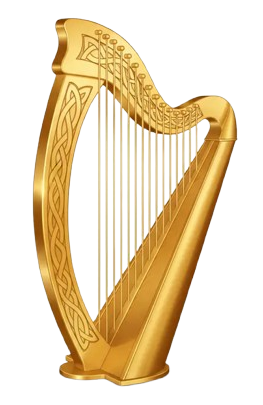
The Irish harp is the national emblem of Ireland. It shows Ireland’s strong musical tradition. In the past, musicians who played the harp were very respected. Today, the harp appears on coins and logos as a sign of Irish pride.
Symbol #7
A Celtic Cross

The Celtic Cross is a famous symbol in Ireland. It is a cross inside a circle. The circle stands for never-ending life and a lasting bond. This symbol also reminds people of St. Patrick and his role in spreading Christianity in Ireland.
Symbol #8
A Four-Leaf Clover

Some people look for a four-leaf clover. Unlike the common three-leaf shamrock, the four-leaf clover is very rare and is believed to bring extra luck. Each leaf represents faith, hope, love, and luck, making it a special find.
Symbol #9
A Horseshoe

The horseshoe is a symbol of good luck, often seen on St. Patrick’s Day. Many people believe that a horseshoe brings protection and positive energy. When it is hung with the open end facing up, it is said to “hold in” good luck. Because of this belief, horseshoes are often used as decorations during the holiday.
Symbol #10
An Irish Flag

The flag of Ireland has three colours: green, white, and orange. Green stands for the Irish hills, white means peace, and orange represents the traditions of different groups. On St. Patrick’s Day, the flag is a symbol of unity and pride.
Concluding Thoughts - Embracing the Spirit of St. Patrick's Day

St. Patrick’s Day is a happy celebration that brings people together to enjoy Irish culture. Over time, it has grown into a worldwide event filled with parades, music, dancing, and gatherings where many people proudly wear green. Whether you join a parade or simply wear something green, St. Patrick’s Day is a chance to enjoy Irish traditions and history. The holiday continues to spread joy and unity around the world.


Click below for a lesson & activities on this topic:

Written by: Nicole WT
Copyright © Learn English with NETOL. All rights reserved.


Comments